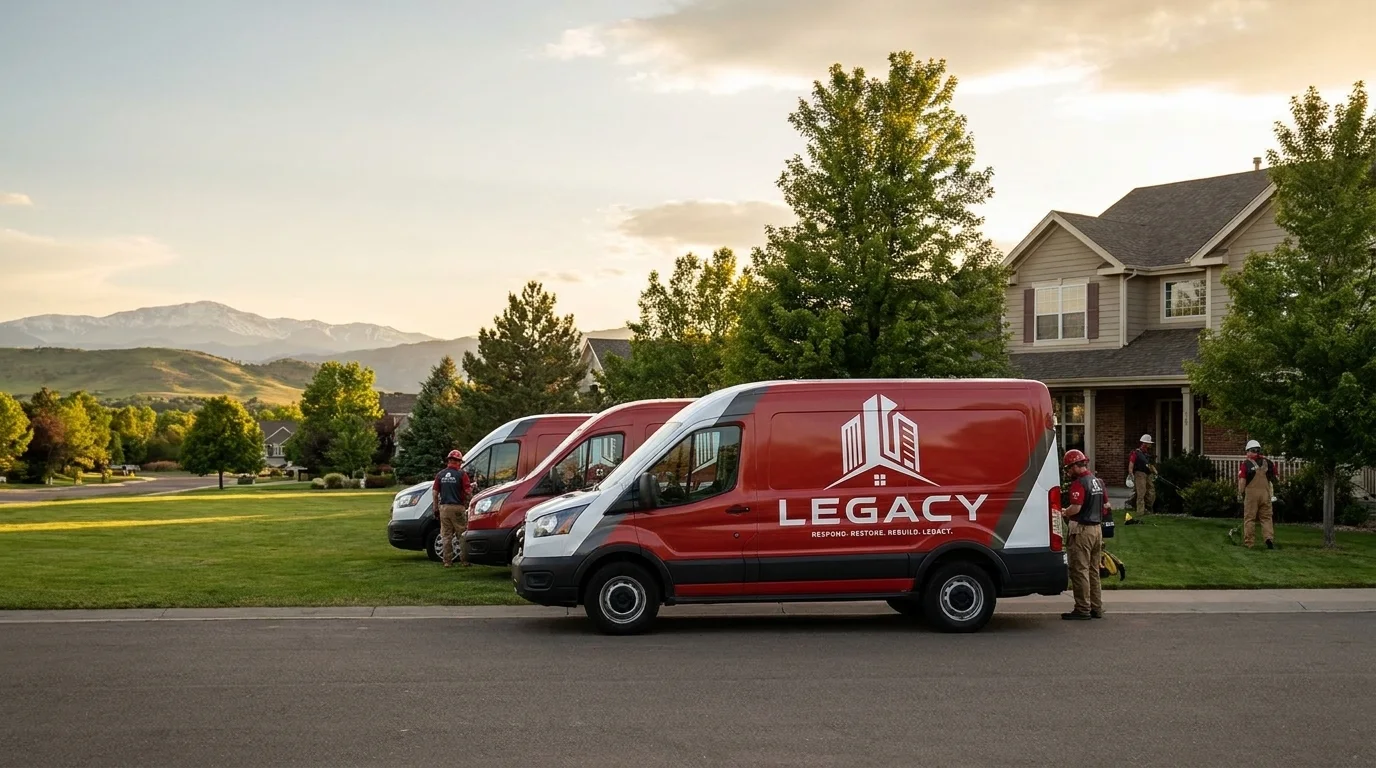
Reconstruction Services in Denver
Reconstruction services in Denver and surrounding areas. IICRC-certified, insurance billing accepted. Call (888) 249-5867.
What Reconstruction Services actually involves
When a fire, burst pipe, or storm tears into a structure, the restoration crew that extracts water or removes soot is rarely the crew that closes the wall back up. Reconstruction picks up where mitigation ends: replacing drywall, subfloor, framing, insulation, cabinetry, trim, and flooring that had to be cut out or that failed inspection after drying. In Denver, that often means matching older lath-and-plaster in pre-1960s bungalows, rebuilding a finished basement after a sewer backup, or reframing a section of a newer build after a kitchen fire burned through studs. The work ranges from a single damaged wall to a full interior rebuild, and timelines run anywhere from a few days for cosmetic drywall and paint to several weeks for structural framing, electrical rough-in, and finish carpentry on a larger loss. Because Legacy Resto llc holds a general contractor license (#CGC1536943), the same company that documents the damage can carry the job through permitting and final walkthrough without handing it off to a separate contractor.
Our process
- Scope of work and estimate. We document every damaged material, cross-reference it against the mitigation report, and write a line-item scope that matches what the adjuster will review.
- Permits and code review. Denver requires permits for structural, electrical, and plumbing work; we pull what’s needed and schedule inspections so the job doesn’t stall mid-build.
- Framing and rough-in. Studs, subfloor, and any load-bearing repairs go in first, followed by electrical, plumbing, or HVAC rough-in if those trades were affected.
- Insulation, drywall, and finishing. Walls get insulated and hung, then taped, textured, and primed to match the surrounding surfaces.
- Final trim, paint, and flooring. Baseboards, doors, cabinetry, and flooring go back in, and we walk the space with the homeowner before calling it complete.
What separates a good reconstruction response from a bad one
The most common failure point isn’t the carpentry, it’s the handoff between mitigation and rebuild. If the crew that dried the structure didn’t document moisture readings clearly, or if drywall goes back up before framing has dried to an acceptable standard, homeowners end up paying twice when problems surface behind new finishes. A good reconstruction team also matches materials, not just function: century-old trim profiles, plaster texture, and even paint sheen all get noticed if they don’t line up with the rest of the room. Adjusters look closely at whether the scope of work reflects actual damage rather than a blanket “replace everything” estimate, and whether code-required upgrades, like GFCI outlets or updated smoke detector wiring, are called out separately so there’s no dispute later about what insurance should cover. Skipping permits to save time is another shortcut that causes real problems at resale, since unpermitted work can surface during a home inspection years later.
What does Reconstruction Services cost?
Reconstruction costs vary enormously depending on what has to be replaced, whether structural framing is involved, and how much of the finish work (flooring, cabinetry, trim) needs to match existing materials. Every loss is different, which is why Legacy Resto llc provides a written scope of work before any rebuild begins rather than a flat quote. Homeowners insurance typically covers reconstruction tied directly to a covered peril, such as fire or a burst pipe, though code-upgrade costs and cosmetic preferences beyond the original material are often excluded or capped.
| Scenario | Typical range |
|---|---|
| Single room drywall and paint | $1,500 - $4,000 |
| Flooring replacement (per room) | $1,800 - $6,000 |
| Kitchen or bathroom rebuild after water/fire damage | $8,000 - $25,000 |
| Structural framing repair (wall or floor section) | $5,000 - $15,000 |
| Basement rebuild after flooding | $15,000 - $45,000 |
| Whole-interior rebuild after major fire | $50,000 and up |
Seasonal & regional considerations
Denver’s freeze-thaw cycles put extra stress on framing and subfloor that were already compromised by water intrusion, so reconstruction scheduled in late fall or winter sometimes needs temporary heat and humidity control to keep drywall mud and paint curing properly. Older Denver neighborhoods with brick exteriors and plaster interiors also tend to need more custom matching work than newer subdivisions, which can add time to the finish stages of a rebuild.
Service area
Legacy Resto llc provides reconstruction services throughout Denver, from century-old homes near the city center to newer construction on the outskirts.
If a mitigation job has left you with a scope of what needs to be rebuilt, or you’re still waiting on a clear answer about what comes next, call (888) 249-5867 to get a reconstruction scope of work and a realistic timeline for getting the space back together.
Frequently Asked Questions
Does homeowners insurance cover reconstruction services?
Do I need a permit for reconstruction work in Denver?
Can the same company that dried out my home also rebuild it?
How do you match materials in an older Denver home during reconstruction?
How long does a typical reconstruction project take?
Looking for the best reconstruction services company in Denver?
Legacy Resto llc provides licensed and insured reconstruction services in Denver, Colorado and the surrounding area, and has served local property owners since 2022. We answer calls 24/7 — call (888) 249-5867 for immediate help.
Need Reconstruction Services now?
We respond 24/7 across Denver and surrounding Colorado cities.