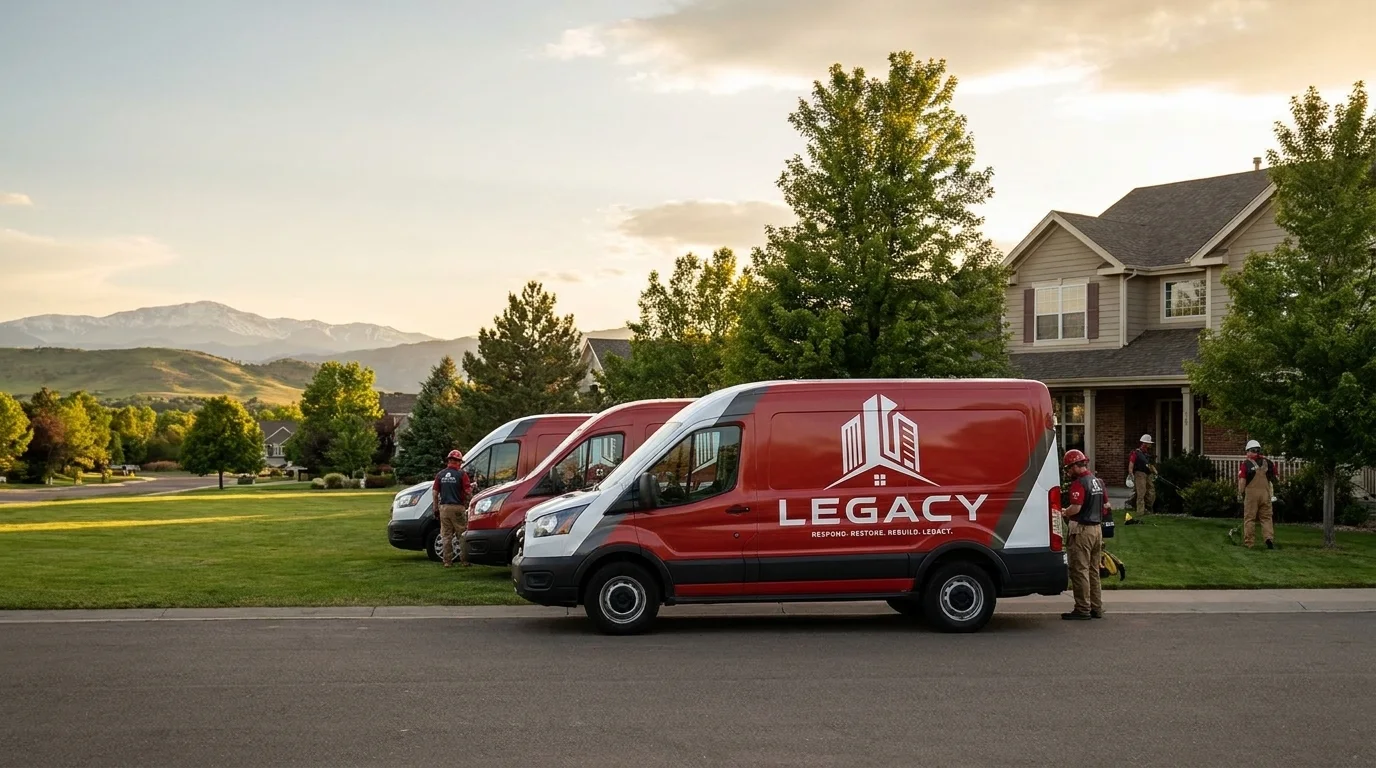
24/7 Emergency Sewage Cleanup and Sanitization in Denver
24/7 emergency sewage cleanup and sanitization in Denver and surrounding areas. IICRC-certified, insurance billing accepted. Call (888) 249-5867.
Sewage backup in your Denver home or business? Call now for emergency service. We answer 24/7 and treat every sewage call as Category 3 contaminated water, the kind that carries bacteria, viruses, and parasites into your home’s structure within minutes of contact.
A sewer line backup rarely announces itself gently. It’s a gurgling floor drain, a toilet that won’t stop refilling, or a basement that suddenly smells like something died in the walls. Whether it’s a municipal sewer line backup, a failed septic system, or a cracked lateral pipe pushing wastewater up through your lowest drains, raw sewage removal has to happen fast and it has to happen right. Porous materials that sit in contaminated water for more than a few hours often can’t be saved, and the longer sewage sits, the farther pathogens travel into subfloors, drywall, and insulation.
What Sewage Cleanup and Sanitization actually involves
Sewage cleanup and sanitization in Denver starts with identifying the source and the category of contamination, because a septic overflow behaves differently than a backed-up sewer main, and both require different containment strategies. Crews work in full PPE, given that raw sewage carries pathogens that regular cleaning won’t touch. The work involves pumping or extracting standing wastewater, removing and disposing of unsalvageable porous materials like carpet, pad, and often drywall up to the flood line, then cleaning and disinfecting every surface the water touched. Hard surfaces get washed, treated with an EPA-registered antimicrobial, and dried using the same air movers and dehumidifiers used in structural drying work. Depending on how far the contamination traveled, sanitization can take anywhere from a single day for a contained bathroom backup to several days for a basement that took on water from a main line failure.
Our process
- Containment and PPE staging. Before anyone touches the affected area, we isolate it from the rest of the structure and suit up in protective equipment rated for blackwater exposure, keeping contaminated air and debris from spreading to unaffected rooms.
- Sewage extraction and pump-out. Standing wastewater gets pumped and extracted first, using truck-mounted or portable extraction equipment depending on volume, so no one is working around active contamination longer than necessary.
- Removal of contaminated materials. Carpet, pad, baseboards, and drywall that absorbed sewage are cut out and bagged for disposal, following the same category-3 handling guidance laid out in the IICRC S500 standard.
- Cleaning, disinfection, and enzymatic treatment. Remaining surfaces are washed, treated with hospital-grade disinfectant, and in cases of lingering odor, treated with enzymatic cleaners that break down organic residue rather than masking it.
- Drying and air quality verification. Air movers and dehumidifiers bring the structure back to normal moisture levels, and we check that odor and surface contamination are resolved before calling the space ready to rebuild.
What separates a good sewage cleanup response from a bad one
The most common mistake is treating a sewage backup like a regular water loss and skipping the disposal step on materials that look dry on the surface but are still contaminated underneath. Drywall and carpet pad act like sponges for bacteria, and no amount of surface disinfecting makes them safe to keep. Another frequent miss is under-scoping the flood line, cutting drywall only as high as the visible water mark instead of a few inches above it, which leaves wicking damage to colonize later. Insurance adjusters reviewing a sewage claim typically look for documented disposal of contaminated materials, before-and-after moisture readings, and proof that an EPA-registered disinfectant was used, not just a general-purpose cleaner. A thorough response documents all of this in writing before the drywall ever goes back up.
What does Sewage Cleanup and Sanitization cost?
Every sewage loss is different, which is why Legacy Resto llc provides a written scope of work before any cleanup begins, so you know what’s being removed, treated, and replaced. Homeowners insurance often covers sudden and accidental sewage backups, particularly when caused by a municipal line failure or a sudden pipe break, though policies vary and some require a separate sewer backup rider. Below are typical industry ranges, not a quote for your specific property.
| Scenario | Typical range |
|---|---|
| Single bathroom, minor backup | $1,000 - $2,500 |
| Basement floor drain backup, contained area | $2,500 - $5,500 |
| Whole-basement sewage intrusion | $5,000 - $12,000 |
| Septic overflow affecting multiple rooms | $6,000 - $15,000 |
| Large loss with structural material removal | $12,000 - $25,000+ |
Seasonal & regional considerations
Denver’s older neighborhoods still run on clay or cast-iron sewer laterals that are decades past their design life, and tree root intrusion into these lines is a common cause of sewer line backup, especially in spring and early summer as roots actively seek groundwater. Heavy spring snowmelt and summer storm runoff can also overwhelm municipal lines, pushing wastewater back through low-elevation fixtures in homes with basements below the street’s sewer grade. If your home has backed up more than once, it’s worth asking a plumber about a backwater valve alongside any cleanup.
Service area
Legacy Resto llc provides sewage cleanup and sanitization throughout Denver, Colorado.
If sewage is backing up into your home right now, don’t wait for it to spread further into your subfloor or walls. Call (888) 249-5867 to begin sewage cleanup and sanitization before contamination travels any further.
Frequently Asked Questions
Does homeowners insurance cover sewage cleanup and sanitization?
Why can't I just clean a sewage backup myself with bleach and a mop?
How do you decide what gets removed versus cleaned after a sewage backup?
What's the difference between a sewer line backup and a septic overflow?
How long does sanitization take after a sewage backup is cleaned up?
Looking for the best sewage cleanup and sanitization company in Denver?
Legacy Resto llc provides licensed and insured sewage cleanup and sanitization in Denver, Colorado and the surrounding area, and has served local property owners since 2022. We answer calls 24/7 — call (888) 249-5867 for immediate help.
Need Sewage Cleanup and Sanitization now?
We respond 24/7 across Denver and surrounding Colorado cities.