A DIY mold kit can tell you that spores are present in a room; it can’t tell you how far the colony has spread, what’s feeding it, or whether what you’re breathing is a health concern. A professional inspection adds moisture mapping, often thermal imaging to find damp material behind walls, and lab-analyzed air or surface samples that identify the species and spore count. If you just want to confirm a hunch about a musty smell, a kit is a reasonable first step. If you have visible growth after a leak, ongoing symptoms, or you’re buying or selling a house, skip the kit and get an inspection.
What a DIY Kit Actually Measures
Most home kits fall into two categories: petri dish swab kits and tape lift kits. You swab a surface or expose a dish to room air for a set number of hours, then mail it to a lab or watch for growth at home. What you get back is confirmation that mold spores exist in that sample, sometimes with a general category of common indoor mold types.
What the kit won’t tell you:
- Whether the mold you’re testing is actively growing or just settled dust from spores that are everywhere outdoors anyway
- How far the colony extends behind drywall, under flooring, or inside ductwork
- What’s keeping the area damp enough for mold to keep colonizing
- Whether the air you breathe daily carries a spore count worth worrying about
A kit is a screening tool, not a diagnosis. It’s useful for satisfying curiosity about a faint smell in a closet. It’s not enough to make a remediation decision or settle an insurance question.
What a Professional Inspection Adds
An IICRC-trained mold inspector isn’t just testing air, they’re tracing the moisture source that let mold start in the first place. A typical inspection in a Denver home includes a moisture meter reading on walls, subfloor, and framing near the suspected area; a visual check of crawl spaces and attics where humidity collects; and, when warranted, air or surface samples sent to an independent lab for species identification and spore count comparison against outdoor baseline air.
That last comparison matters. Denver’s dry climate means outdoor spore counts are often low, so an elevated indoor reading is a clearer signal here than it might be in a humid region. A good inspection report tells you not just “mold is present” but where the moisture is coming from, how contained the growth is, and whether it’s a spot-clean situation or a remediation job.
What Not to Do Before Testing
-
Don’t rely on the bleach test. Dabbing bleach on a stain and watching it lighten tells you almost nothing reliable; mold, mildew, and even some dirt stains can all react similarly.
-
Don’t disturb visible growth before testing. Scrubbing, vacuuming, or painting over a moldy patch can scatter spores into the air and skew any sample you take afterward.
-
Don’t test and ignore the moisture. A clean test result today means nothing if the leak behind the wall is still active. Address the water source, or have it found, before you treat the mold reading as the final word.
-
Don’t skip the crawl space or attic. Visible mold in a bathroom or basement is often just the part you can see. If your home has a damp crawl space, that’s frequently where the real colony is growing unseen.
When to Call a Professional Instead of a Kit
A kit is fine for a low-stakes curiosity check. Call for a professional mold inspection and testing visit when:
- Mold has returned after you’ve already cleaned it once
- You smell a persistent musty odor but can’t find visible growth
- A pipe, roof, or appliance leak happened days or weeks ago and the drywall or flooring never fully dried
- Someone in the household has new or worsening respiratory symptoms, allergies, or headaches that ease when they’re away from the house
- You’re preparing to list the home for sale, or a buyer’s inspection flagged a moisture concern
Mold can begin colonizing damp organic material, drywall paper, wood framing, carpet backing, within 24 to 48 hours of sustained moisture exposure. If water intrusion happened recently and wasn’t fully dried out, testing alone won’t fix the underlying problem; it just confirms what the moisture already started.
If Testing Confirms a Problem
A lab-confirmed result that shows elevated mold or an active moisture source is the point where remediation, not more testing, becomes the right next step. A licensed remediation crew contains the affected area, removes materials that can’t be salvaged, HEPA-filters the air during the work, and documents the process for your insurance file if the damage traces back to a covered water loss. The inspection and the remediation are typically kept separate, the same report that identifies the problem should be used to verify the fix worked once the work is done.
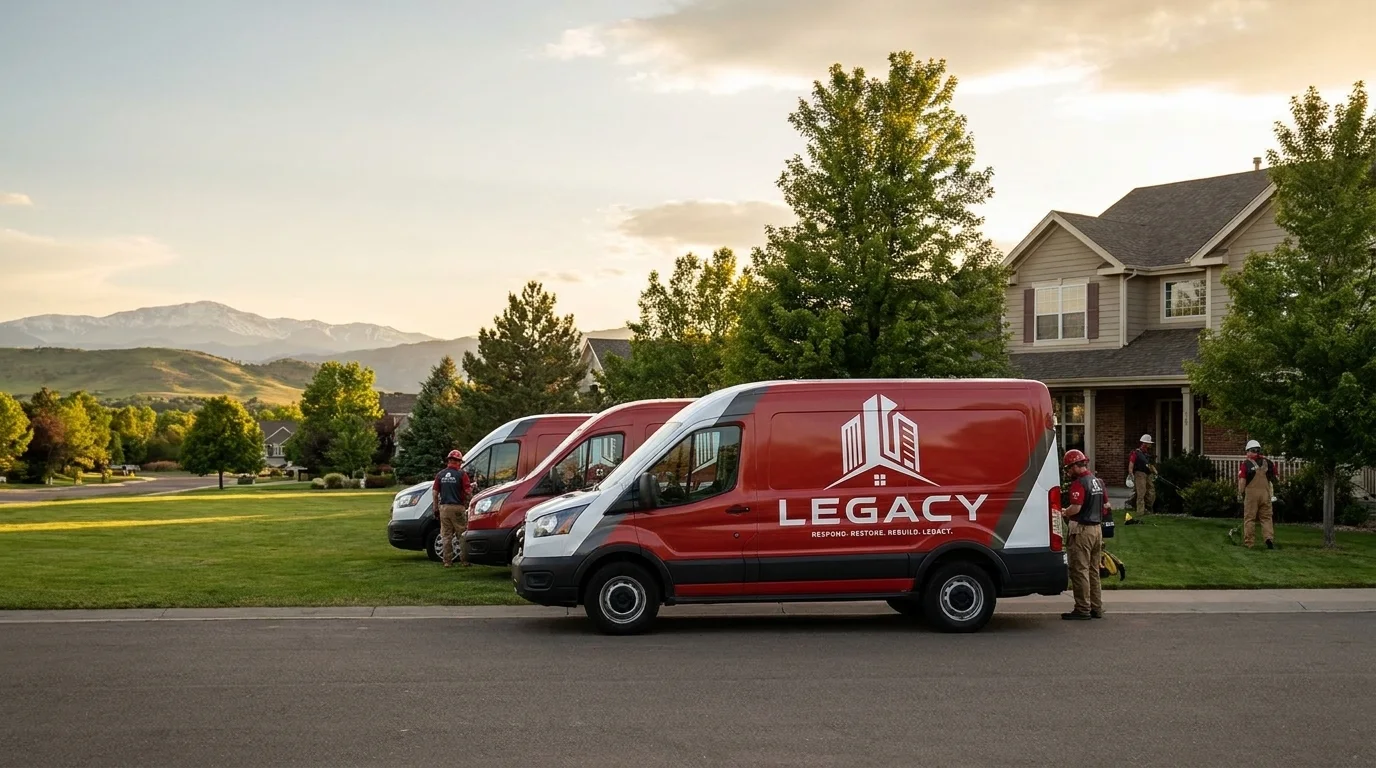
If you’re in Denver and a kit result, a lingering smell, or a past leak has you wondering whether it’s time for an actual inspection, Legacy Resto llc’s mold inspection and testing team can walk the property, pull samples, and give you a straight answer before you spend money on remediation you may or may not need. Call (888) 249-5867 to schedule a look.